Best Model Car Kits for Beginners of 2026

The quickest way to sour someone on model cars is a kit that assumes skills they haven't learned yet. A snap-together build with a pre-painted body can go from sealed box to shelf in an afternoon; a glue-and-paint kit wants cement, a steady hand and a table you can leave messy overnight, and a fogged, fingerprinted windshield is a common first result.

Even snap kits need trimming where the mold lines sit, and the age on the box is mostly about small parts and adhesives, not just difficulty. Scale is the quieter decision: a 1:24 or 1:25 car lands around six inches long, easy to shelve and dust. We built 14 kits on kitchen tables and a folding tray in front of the TV, and the four picks cover both no-mess snap builds and a first glue-and-paint project.

Our Top Picks

The Best Model Car Kits for Beginners

1.

Maisto 1:24 1929 Ford Model A Assembly Line Kit Best Overall
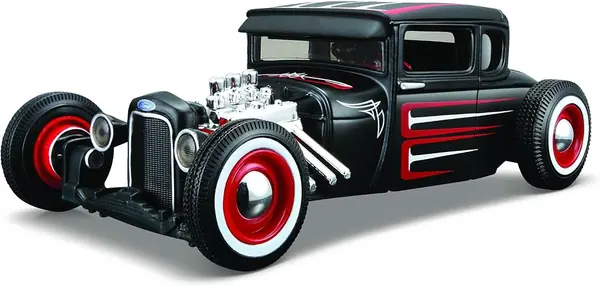
Maisto 1:24 scale die-cast model kit of a 1929 Ford Model A

First-time builders

Track Score 93/100
Scale
1:24
Assembly
Snap-together with included screwdriver, no glue or paint
Body
Pre-painted die-cast metal
Dimensions
6.12 x 2.99 x 2.11 inches
View on Amazon

The screwdriver in the box tells you most of what you need to know. Maisto builds this 1929 Ford Model A as a pre-painted die-cast body with parts that either snap or take a screw, so nothing has to dry, nothing has to be mixed, and there is no trip to a hobby shop before the build starts.

What we like is how finished the result looks. Opening parts and rolling wheels work once they are attached, the paint is already on the metal, and the completed car reads as a display piece rather than a project. It is also tough in a way plastic kits are not, so a younger builder can pick it up afterward without a fender snapping off in the process.

The finish is fixed, which is the trade-off of a pre-painted body: a builder who wants to choose a color gets nothing to work with here. It is also the kit we suggest when a kid wants to build alongside an adult who is not a modeler, since the whole thing happens at the kitchen table with no glue or paint. When someone is ready to paint, the AMT Camaro Z/28 is the next step.

Worth Noting

  • Finished car is small, about six inches long
Our Verdict

This is where we start anyone who has never built a model: everything is in the box, including the screwdriver, and the painted body looks finished the moment it goes together.

Check Latest Price
2.

Maisto 1:24 Lamborghini Aventador Roadster Kit Best Quick Build

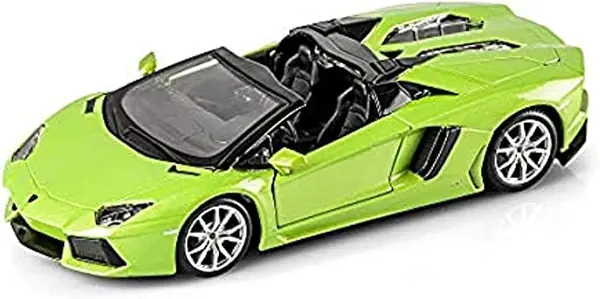
Maisto Assembly Line 1:24 Lamborghini Aventador Roadster die-cast model kit in green

Quick afternoon builds

Track Score 92/100
Scale
1:24
Assembly
Snap-together with included tool, no glue or paint
Body
Die-cast metal with plastic parts
Working Features
Steering and opening doors
View on Amazon

Doors that open and steering that works usually show up on a finished die-cast, not on a kit a new builder can put together alone. This Aventador has both, and we like that they come with the same clean approach as our top pick: a painted metal body, plastic parts that press or screw into place, and a tool in the box instead of a glue bottle.

The build is short, and we mean that as both praise and warning. A new builder gets a finished supercar in one sitting, which is the right length for a first project and a letdown for a kid who wanted a weekend of work. If the goal is a car on the shelf by dinner, brevity is the feature; if the goal is the building itself, put the money toward a glue kit instead.

Where the paint is thickest, a part can bind before it seats, so test-fit and scrape the joint with a craft knife if it will not go in — an adult's job for younger builders. It is the most expensive of the snap-together kits here, and the extra buys the license and the working parts rather than a longer build. That is a fair trade for the builder who has already picked out the car.

Worth Noting

  • Working doors and wheels loosen with rough play
Our Verdict

We recommend it when the car matters more than the build: a supercar that snaps together in an afternoon and still steers, for a price above the other snap kits.

Check Latest Price
3.

AMT 1968 Chevy Camaro Z/28 1:25 Kit Best First Glue-And-Paint Kit

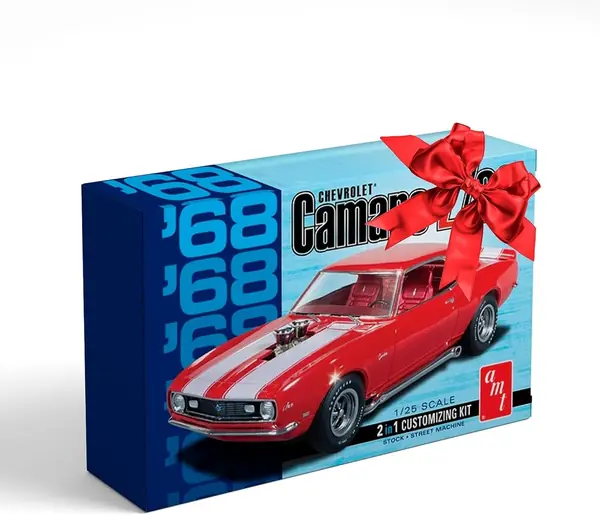
AMT 1:25 scale 1968 Chevy Camaro Z/28 plastic model kit with chrome parts

First glue-and-paint build

Track Score 91/100
Scale
1:25
Assembly
Paint and glue required
Instructions
Detailed illustrated instructions included
Build Options
2-in-1 stock or custom
View on Amazon

Sooner or later a beginner wants to paint something, and this is the kit we point to when that happens. AMT rates the 1968 Camaro Z/28 as an easy build, and at 1:25 with illustrated instructions it is the glue kit we hand someone who has already snapped a die-cast together and wants a real project.

We appreciate the choice built into it. Two hoods let you finish the car as the factory Z/28 or as a street machine, and the dual rally stripes are what make it read as that car rather than a generic Camaro. The assembly is forgiving as glue kits go — parts line up with a little trimming, and the instructions walk you through in order, which is what a first-timer actually needs.

It is also the kit that teaches where mistakes cost you: dry-fit each part before the cement comes out, because once it sets you are committed. The finished car is a display piece rather than something to hand around, and that is the right expectation to set before a younger builder starts. What you are paying for is the step up in realism, and it shows on the shelf.

Worth Noting

  • Paint and glue required to finish
Our Verdict

When snap kits stop being enough, this is the glue-and-paint kit we hand a beginner: an easy-rated Camaro with two ways to build it and room to learn.

Check Latest Price
4.

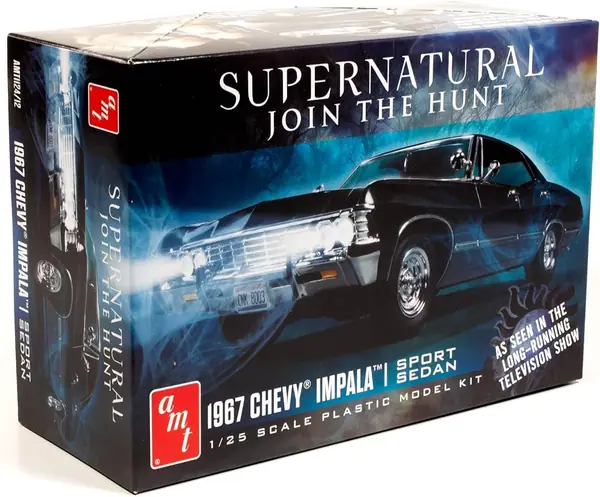
AMT 1967 Chevy Impala Supernatural 1:25 Kit Best for TV Fans

AMT 1:25 scale 1967 Chevy Impala four-door model kit molded in black

Supernatural fans

Track Score 90/100
Scale
1:25
Assembly
Paint and glue required
Skill Level
2, suggested for ages 10 and up
Molded Parts
Black body with chrome and clear parts
View on Amazon

Anyone who watched the show will know the car before reading the box. This is the four-door 1967 Impala the Winchester brothers drove, and AMT tooled the details that make it that specific car: Kansas plates, spotlights, bumper guards, aftermarket wheels, plus the column shifter and inner door panels that separate a four-door from every other Impala kit. That subject is the reason to buy it.

The four-door body is the point of the kit rather than an afterthought, which is exactly what a fan is paying for. AMT rates it skill level 2 for ages 10 and up, putting it in the same first-glue-kit territory as the Camaro, and the black molding with chrome and clear parts gives a builder a head start on a car that is supposed to be black anyway.

Fit is where patience gets tested: some parts need trimming and a few seams take work to close. Detail is the payoff, and the interior and trim are where that shows. For a builder who loves the car, that is ordinary model building; for one who does not, it is friction with nothing to motivate it.

Worth Noting

  • Trunk is molded shut
  • Paint and glue required to finish
Our Verdict

Buy it for the car. A beginner who knows the show will push through the glue work to put Baby on the shelf, and the details reward that patience.

Check Latest Price

How We Tested Beginner Model Car Kits

We started with makers' catalogs and spec sheets, sorting candidates by assembly method first — snap-and-screw versus glue and paint — then by printed skill level and minimum age, scale, and what's actually in the box: tools, a pre-painted body, decals or stickers. That produced a shortlist of 14 kits, all bought at retail, and we tracked what each one still required us to buy separately — cement, paint, a hobby knife — since that changes the real cost of a build.

Over six months we built them at kitchen tables, on a folding tray in front of the TV, and once on a coffee table with a lamp dragged close. Before starting, we counted every part against the instruction sheet, noting missing pieces, extras, and mold lines thick enough to need trimming. Parts were dry-fit before glue or screws went in, and we recorded every tab that fought its slot and every panel that needed sanding to sit flush.

We timed each build from opening the box to the last decal, then examined the finished car under a desk lamp for bare patches, silvered decals, and seams that never closed. Steering and opening doors, where a kit had them, got worked until they stopped feeling tight. Finished models sat on a shelf for a week, picked up, dusted, and passed around, which is where loose wheels and dropped mirrors surfaced. We also wrote down which builds were fun and which were just fiddly.

Age labels guided all of it. We followed each maker's printed minimum rather than guessing at difficulty, and adhesives, paint, and small parts stayed on a high shelf away from younger kids in the house.

How to Choose a Beginner Model Car Kit

Snap-Together or Glue: Pick the Assembly Method First

Snap-and-screw diecast model kits such as the Maisto Assembly Line cars come pre-painted, include their own tool, and go together without a drop of glue. They finish in an afternoon and teach the part that trips up most beginners: reading the instructions in order and finding the right piece.

Glue-and-paint kits are the next step, not the first one. They ask for paint, cement and patience across several evenings, and they are where a builder learns finishing rather than assembly. If the builder has never finished anything, buy a snap kit. If they have already built one and want more, buy a glue kit.

Read the Skill Level Before the Box Art

The number printed on the box is the most reliable guide you will get. Revell's scale runs from snap-together kits up to level 5, and its level 4 and 5 cars want paint, glue and prior experience. AMT's skill level 2 kits are labeled for ages 10 and up and are meant to be a first glue build.

The trap is that a famous car or a low price says nothing about difficulty. A 77-part muscle car rated at the top of a maker's scale is not a beginner's kit however much the buyer loves the car. Match the printed level and age to the person, not to the car on the box.

Check What Is Actually in the Box

Two kits that look alike on the shelf can ask completely different things of you. One includes a screwdriver and a painted body; the other includes bare plastic and a decal sheet and expects you to supply paint, glue and a knife. Look for 'no glue or paint required' if you want a clean first build, and for 'paint and glue required' if you are ready to finish a model properly.

Also check whether the markings are waterslide decals or stickers. Decals look better and take more patience, and a cheap decal sheet is the most common complaint on older tooling. Plan on supplies as a second purchase with any glue kit.

Plan for a Little Fitting and Trimming

Parts rarely drop into place on the first try. Molded plastic can carry flash along the edges, and pre-painted die-cast joints can bind where the paint is thickest. None of that is a defect worth returning a kit over; it is the ordinary work of model building, and a few minutes of test-fitting saves a broken part.

Younger builders should leave the knife work to an adult. If a kit needs heavy sanding on every piece, that is a sign of old tooling, and it is the sort of thing that makes a first build frustrating rather than satisfying.

Match the Scale to Where It Will Live

A 1:24 or 1:25 car finishes roughly six to eight inches long: small enough for a desk, big enough to show detail. If the model has a specific shelf waiting, check the built length rather than the ratio, because the same scale on a pickup or a four-door sedan takes up noticeably more room than it does on a sports car.

Frequently Asked Questions

Final Verdict

A beginner should start with the Maisto 1929 Ford Model A. Nothing else has to be bought, nothing has to dry, and the finished car looks good enough to keep on a desk — which is exactly the first experience that turns a curious buyer into a hobbyist.

When that builder wants to paint something, move to the AMT 1968 Camaro Z/28. It asks for paint, glue and patience, and it is the right place to learn all three. If the person you are buying for is a Supernatural fan, the Impala earns its extra cost by giving them a reason to push through the same learning curve.